

When something breaks,
we are ready.
AOG response and line maintenance at Nassau International Airport. Project oversight, worldwide. Support provided by an active operator working from the same ramp every day.
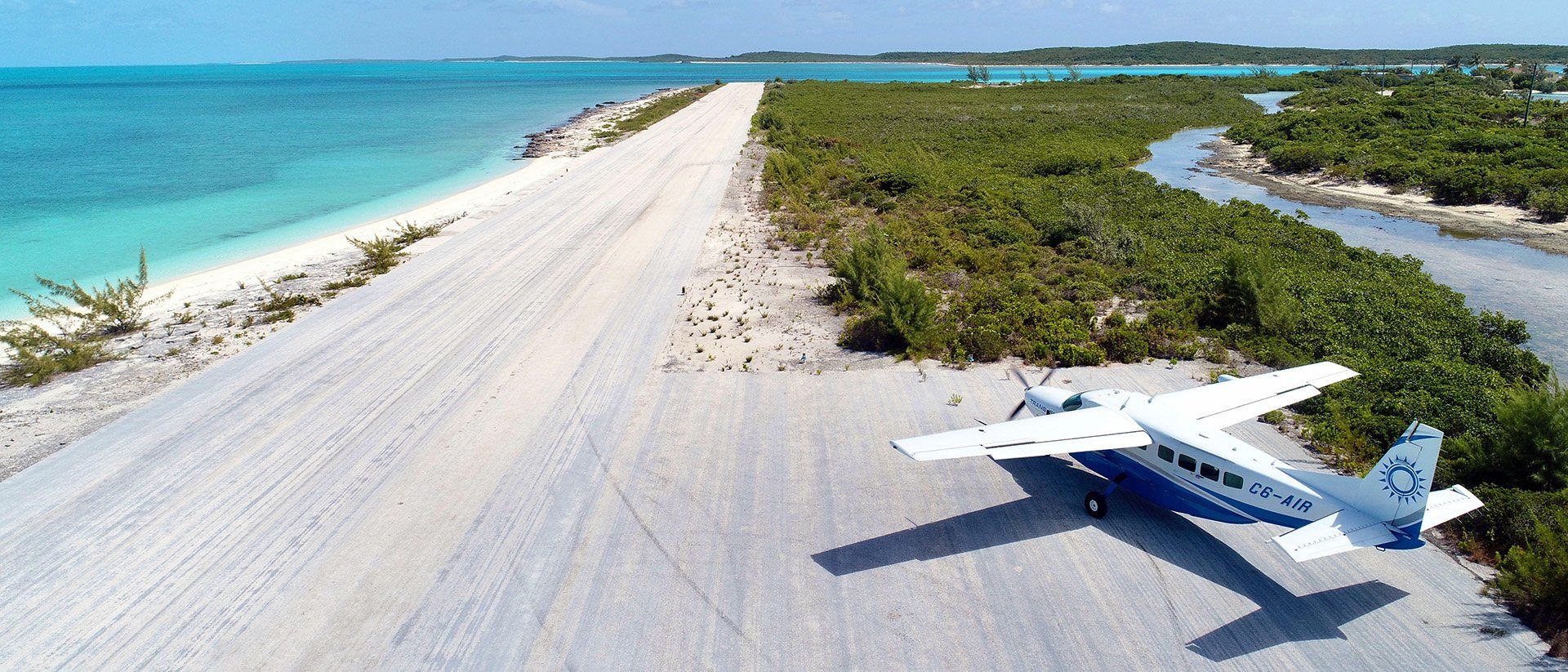
Maintenance support from an active operator.
Trans Island Airways is an active operator running its own fleet at Nassau. We dispatch our own aircraft daily; the same hangar, tooling, dispatch systems, and operational standards that keep our fleet flying are available to anyone whose airplane lands at LPIA and needs support returning to service.
We are not a heavy-maintenance facility built around long induction cycles. We are an operator-led maintenance team that responds to AOG situations the way owners, crews, and flight departments need them handled: calmly, quickly, and honestly about what is and is not within scope.
AOG response.
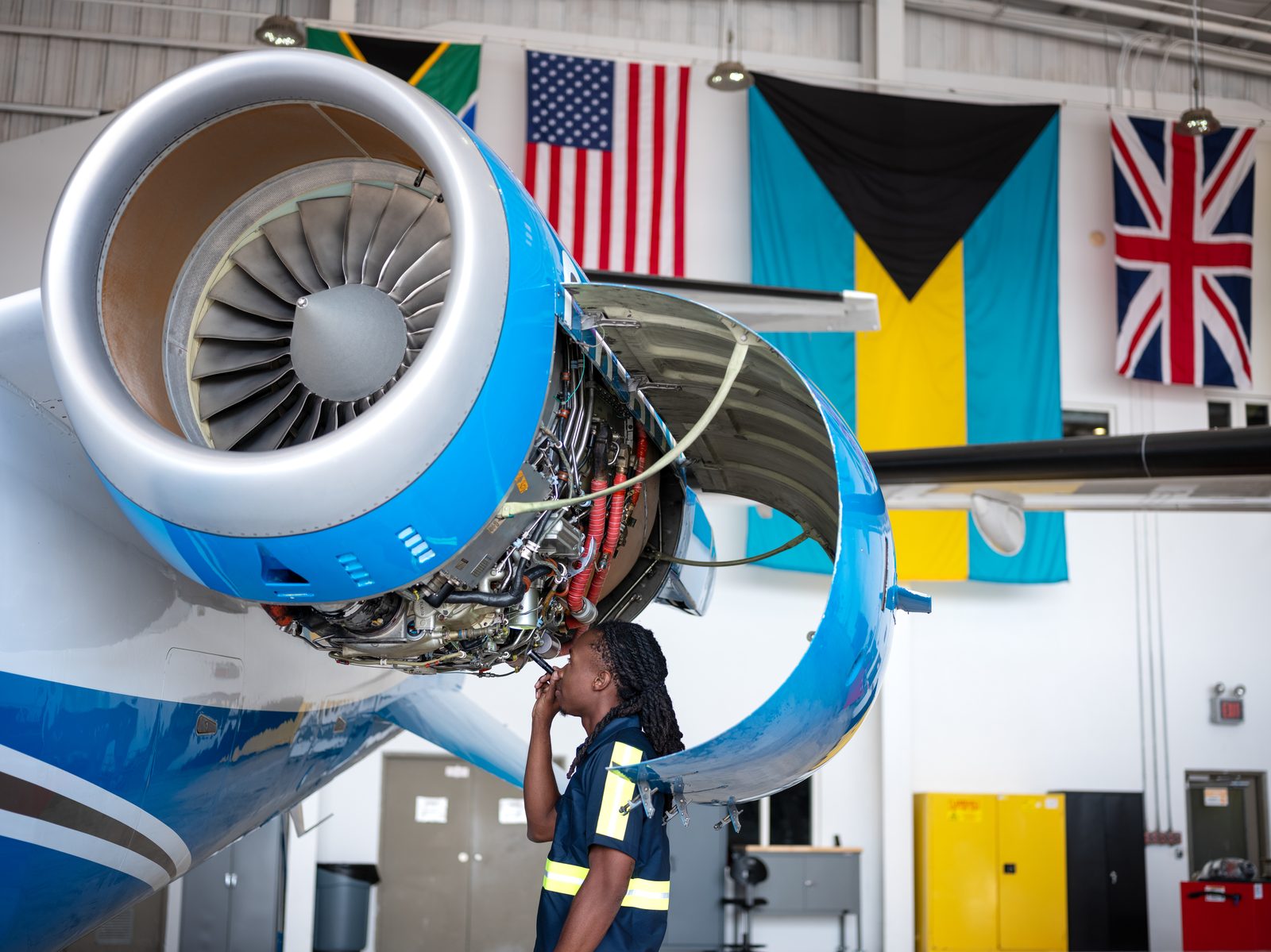
When an aircraft is grounded at Nassau International Airport, the priority is returning it safely and efficiently to service. We respond on-site with assessment, troubleshooting, parts coordination, and effecting return-to-service work within scope. The technical team responding to your aircraft is the same team that supports our own fleet operations.
Speed matters during an AOG event, but clear scope and realistic assessment matter just as much. We communicate findings early and directly. If the work falls within our authority, we execute it efficiently. If additional support is required, we coordinate with the appropriate shop or OEM technical representative before maintenance work begins.
- On-site assessment at the gate, hangar, or remote ramp position
- Troubleshooting and discrepancy isolation
- Parts sourcing through our network and logistics
- Return-to-service paperwork and tech-log entries
- Coordination with your Director of Maintenance
Line maintenance.
Routine work that keeps an aircraft operating reliably and on schedule. Daily, transit, and overnight checks. Defect rectification within scope. The kind of attention that prevents an AOG situation from happening in the first place.
Whether you are based at LPIA or transiting through, line maintenance is what keeps the next leg on time. We work to your maintenance program; we coordinate with your DOM; with documentation maintained clearly and consistently for future inspections and audits.
- Daily, transit, and overnight checks
- Minor defect rectification within authority
- Servicing: fluids, tyres, brakes, oxygen
- Pre-departure and post-flight inspections
Project management.
Heavier work, including engine swaps, scheduled inspections, modifications, paint, and interiors, coordinated with the appropriate maintenance partners and overseen through completion.
What we bring to project work is operational oversight: clearly defined scope, vendor selection aligned to the aircraft and timeline, and a single point of coordination overseeing cost, scheduling, and progress throughout the induction. The goal is to identify issues early, before they affect execution.
This is not unfamiliar work for us. TIA has managed heavy inspections, paint projects, interior refurbishments, avionics upgrades, and engine shop visits across its own fleet for years. The same operational standards and oversight applied to our own aircraft are applied to every project we coordinate on behalf of a client.
- Scope definition, material refinement and shop selection
- Pre-induction prep and ferry coordination
- On-site representation during induction and progress
- Cost and timeline tracking against the original quote
Operational support equipment, on standby.
In addition to maintenance support, TIA maintains a working pool of ground support equipment for transient aircraft, charter operators, and handling teams at Nassau International Airport. Equipment availability and rental terms provided on request.
-
Ground power.
AC and DC TLD ground power units supporting aircraft start, avionics, and extended ground servicing across a wide range of aircraft types.
-
Oxygen & nitrogen carts.
Servicing carts for crew oxygen replenishment, tyre servicing, strut charging, and general ramp gas-handling requirements.
-
Mobility assistance.
Boarding ramps and wheelchairs for elderly, injured, and reduced-mobility passengers boarding aircraft via integrated airstairs without jet-bridge access.
-
Aircraft jacks.
Tail and tripod jacks for inspection access, landing gear servicing, and tyre changes. Equipment matched appropriately to aircraft type before deployment.
-
Portable air conditioning.
Portable air conditioning units supporting maintenance activity, avionics work, cabin servicing, and extended ground operations during aircraft downtime.
-
Maintenance work stands.
Mobile work stands for inspection access, line maintenance, and elevated servicing tasks around the aircraft during scheduled and unscheduled maintenance activity.
Equipment rentals are coordinated through the maintenance dispatch desk. If the specific equipment you require is not listed above, reach out directly. Additional support equipment can often be coordinated through our operational network at LPIA.
Aircraft on the ground? Call us.
The fastest way to a return-to-service is the conversation, not the form. If you are on the ground at Nassau International — or planning a routine inspection while you are in town — pick up the phone or send a note.
For non-AOG inquiries, send a few words about the aircraft and the work and we will come back with the next step.